
Top-Rated Foundation Repair Products for Structural Integrity
Choose from high-quality solutions aimed at maintaining and restoring your home's structural foundation.
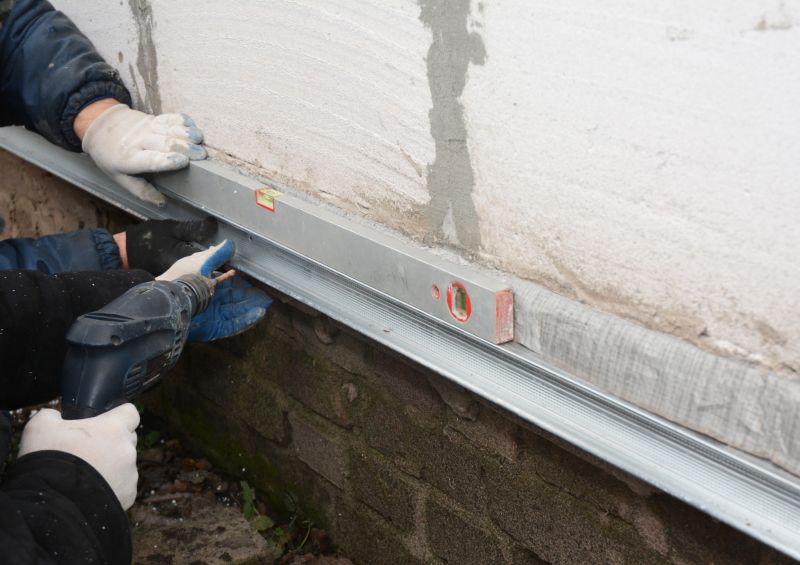 Foundation repairs are a critical aspect of maintaining the structural integrity of a building, especially in areas like Greeley, CO, where soil conditions and weather patterns can influence foundation stability. Selecting the right products for foundation repairs involves understanding various solutions designed to address different types of foundation issues, such as settling, cracking, or shifting. These products are engineered to provide support, stabilization, and reinforcement to ensure the longevity of the structure.
Top Overall Option
Polyurethane Foam Injection System
Polyurethane foam injection systems are versatile and minimally invasive solutions for stabilizing and lifting sunken or uneven foundations. They work by expanding beneath the foundation to fill voids and lift the structure gradually, providing support without extensive excavation. These systems are often chosen for their quick application and ability to target specific problem areas, making them suitable for a variety of foundation issues. When properly installed, they can help restore stability and prevent further settlement, making them a popular choice among professionals and homeowners alike.
Types of Products For Foundation Repairs
Pier and Beam Supports
Supports designed to reinforce and stabilize pier and beam foundations, often involving steel or concrete piers.
Slab Jacking and Mudjacking
Methods that raise sunken concrete slabs using a slurry mixture to fill voids beneath the slab.
Helical Piers
Deep foundation supports that are screwed into the ground to provide stable support for shifting or sinking foundations.
Push Piers
Steel piers driven into the ground to lift and stabilize foundations experiencing settlement.
Helical Anchors
Anchors that secure and stabilize foundation walls or structures by anchoring into deeper soil layers.
Underpinning Systems
Techniques and products used to extend the foundation's depth or width to improve stability.
Crack Injection Sealants
Materials used to fill and seal cracks in concrete to prevent water intrusion and further deterioration.
Carbon Fiber Reinforcement
Fiber materials applied to reinforce cracked or bowed foundation walls.
Soil Stabilization Products
Chemical or mechanical solutions aimed at improving soil conditions around the foundation.
Vapor Barriers
Moisture barriers installed to control water movement and reduce soil expansion or contraction.
Drainage Systems
Products designed to direct water away from the foundation to prevent water-related issues.
Foundation Repair Braces
Support systems used to brace and stabilize bowing or leaning foundation walls.
Grout and Sealants
Materials used for sealing and filling voids or cracks in concrete foundations.
Hydraulic Push Piers
Hydraulically driven piers that lift and stabilize sinking foundations.
Soil Replacement Products
Materials used to replace or improve soil conditions around the foundation.
Foundation Bolts and Anchors
Hardware used to secure and reinforce foundation components.
Popular Choices
A widely used method for quick stabilization and lifting of foundations with minimal disruption.
Commonly selected for their strength and ability to lift and stabilize sinking foundations.
Popular for deep foundation support, especially in variable soil conditions.
Frequently used for sealing minor cracks and preventing water intrusion.
Effective for reinforcing bowed or cracked basement walls.
A cost-effective solution for raising uneven concrete slabs and driveways.
Essential for managing water flow and protecting foundations from water damage.
Popular for improving soil bearing capacity around foundations.
Commonly installed to secure foundation walls and prevent movement.
Often used to control moisture levels and reduce soil expansion.
Frequently chosen for immediate stabilization of bowing walls.
Popular for basement and foundation waterproofing applications.
Selected for deep stabilization needs in problematic soil conditions.
Used for controlled lifting and stabilization of foundations.
Applied to improve soil consistency and support.
Commonly used for minor crack repairs and sealing.
Popular for stabilizing and securing basement walls.
Various repair products are available to suit different needs, from simple crack fillers to sophisticated underpinning systems. The choice of product depends on the severity of the foundation problem, the type of foundation, and the soil conditions. Proper installation and selection of these products can help prevent further damage, reduce safety risks, and potentially increase property value.
When considering foundation repair products, it is essential to evaluate their compatibility with existing structures and their effectiveness in your specific environment. Professional consultation is often recommended to assess the extent of the damage and determine the most appropriate solutions. While DIY options exist, complex issues typically require specialized equipment and expertise to ensure safety and effectiveness.
Investing in quality foundation repair products can provide peace of mind, knowing that your property is supported by reliable materials designed for durability and performance. Understanding the range of available options and key considerations can help homeowners and contractors make informed decisions that suit their repair needs and budget.
Key Buying Considerations
- Assess the severity and type of foundation issue to select appropriate repair products.
- Consider the soil conditions and how they may influence the effectiveness of certain solutions.
- Evaluate whether a DIY repair kit or professional service is more suitable for your needs.
- Check the compatibility of repair products with your foundation type, such as slab or pier and beam.
- Review the installation process and whether specialized equipment or skills are required.
- Determine the longevity and durability of the repair materials being considered.
- Consider the potential for future movement or settlement and choose adaptable solutions.
- Evaluate the ease of access to the repair site, which can impact installation and costs.
- Review product warranties and manufacturer support for peace of mind.
- Account for environmental factors such as moisture levels and drainage around your property.
- Compare costs and benefits, keeping in mind that more complex repairs may require higher investment.
- Consult with a foundation specialist to get a professional assessment before purchasing.
- Ensure that the products meet local building codes and safety standards.
- Consider the impact of repairs on your property’s value and overall safety.
- Research customer reviews and testimonials to gauge product effectiveness and reliability.